6 Session 6
Contents
Ethnicity, race & social stratification
Description of the final work.
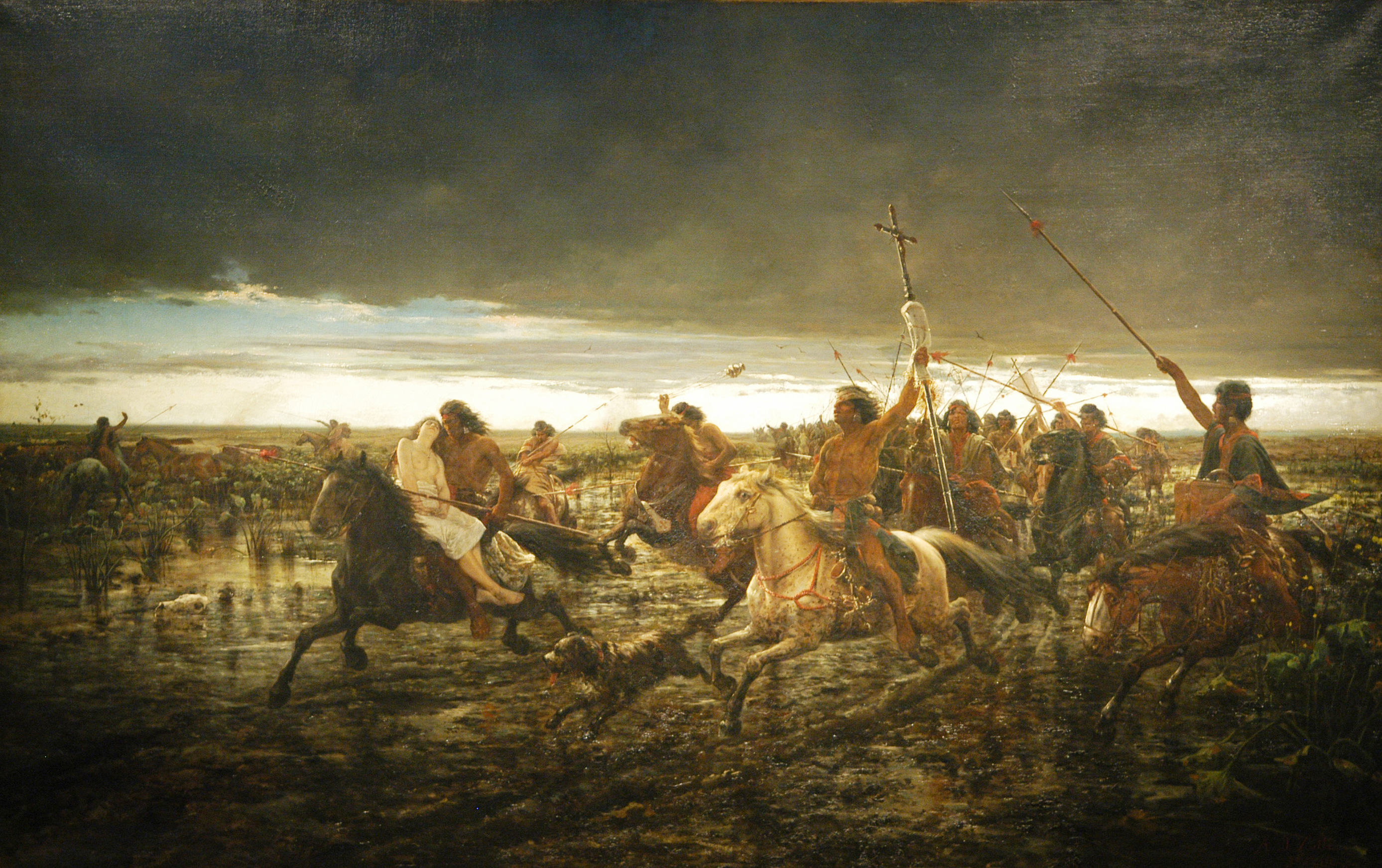
Gráfico 6.1: Ángel Della Valle, 1852, Museo de Bellas Artes de Buenos Aires. Fuente: Wikipedia images
All elements of the composition respond to this idea [malones y cautivas], displayed with significant clarity and precision. The scene takes place at a dawn in which a storm begins to clear. The malón appears equated with the unchained forces of nature (another topic of frontier literature). The horsemen carry chalices, censers and other elements of worship that indicate that they have looted a church. The Indians appear, thus, imbued with an impious and demonic connotation. The sky occupies more than half of the composition, divided by a horizon line barely interrupted by the heads of the warriors and their spears. In the darkness of that sky, the cross carried by one of them and the long spear wielded by another stand out as opposing symbols of civilization and barbarism. In the saddle of two of the horsemen, severed heads are seen, alluding to the cruelty of the malón. At the far left stands out from the group a horseman carrying a semi-vanished white captive, leaning on the shoulder of the abductor who is leaning over her. This was the most commented fragment of the work, sometimes in a joking tone, alluding to its erotic connotation, or criticizing a certain inappropriateness of the (too “civilized” and urban) aspect of the woman and of her pose with the rest of the composition.